Learn the game once. Read every card after it.
The illustrated rule book that teaches American Mahjong the way experienced players see it: eight families instead of fifty lines, a one-minute method for picking your hand, 105 practice racks with answers, and a ruling for every argument at your table.
- Full color
- 200 pages, 8.5 × 11
- Works with any year’s card
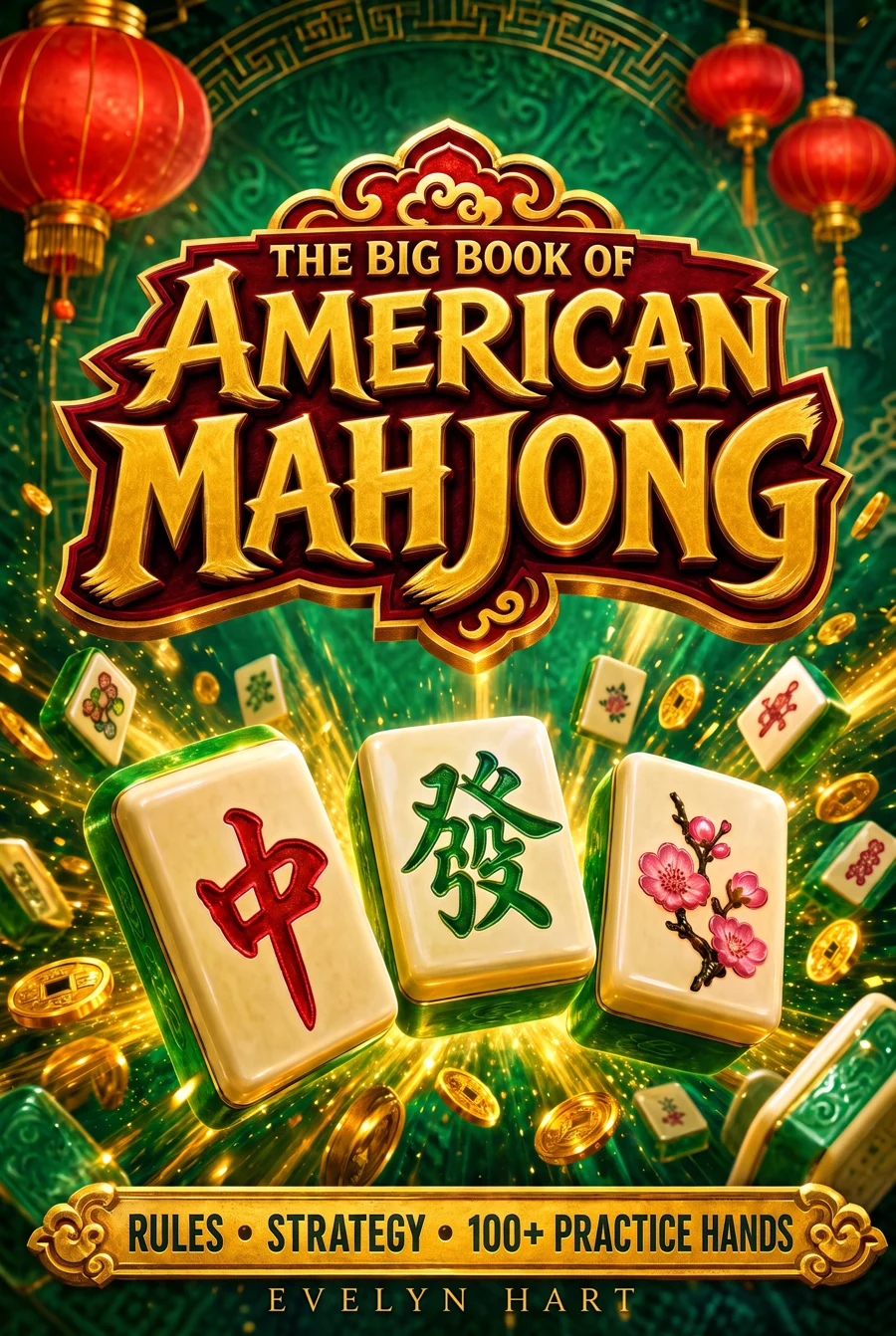
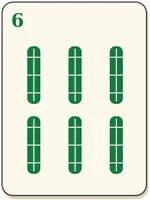
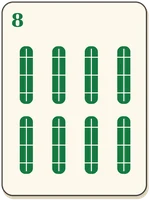
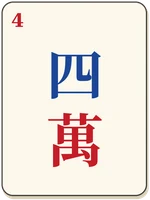
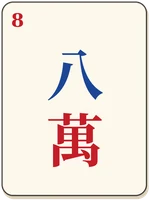
Thirteen tiles, as dealt. Most new players see a mess.
You learned the rules. Then someone handed you the card.
You know what a pung is. You survived your first Charleston. Then the card came out: fifty-odd lines of colored numbers, and three friends waiting for you to discard.
Most books stop at the rules. Most lessons explain the card one hand at a time. So you memorize what you can, and next April a new card arrives and you start over.
It isn’t your memory, and it isn’t you. Nobody holds fifty separate hands in their head. The players who read a new card in minutes are doing something different.
What a card looks like the first time. Not a real card: ours is invented.
The card changes every April. The families don’t.
Experienced players don’t memorize fifty lines. They know the eight families every card is built from, and when the new card comes out they look for what moved.
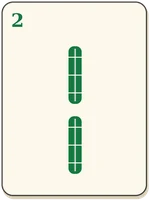
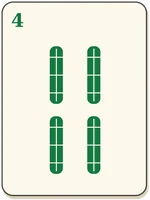
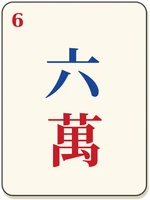
Evens
2s, 4s, 6s and 8s only
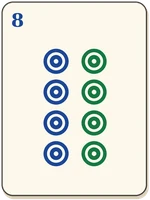
Odds
1s, 3s, 5s, 7s and 9s
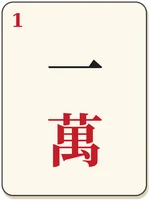
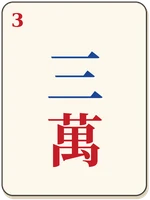
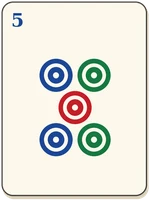
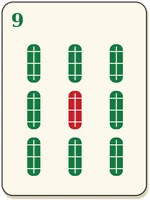
Like numbers
One number across all three suits
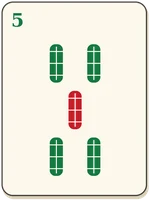
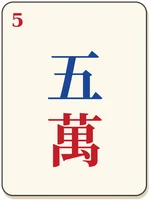
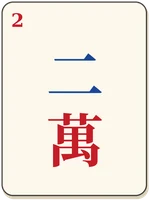
Consecutive runs
Numbers that sit next to each other
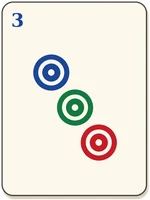
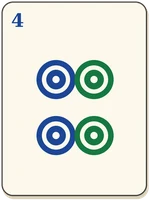
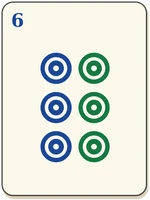
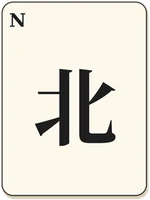
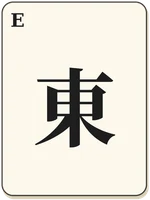
Winds & dragons
The honor tiles
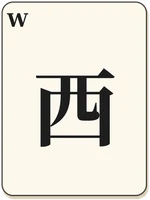
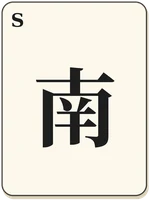
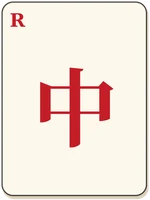
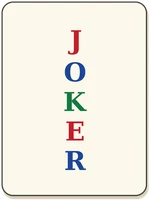
Quints
Five of a kind, Jokers required
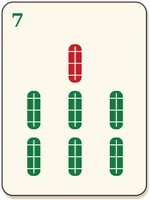
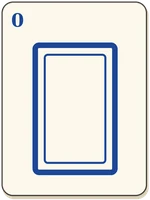
Zero
The White Dragon doubles as 0
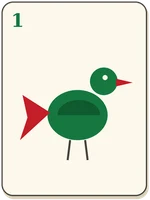
Singles & pairs
Concealed hands, no exposures
Chapter 6 teaches all eight. Once you see them, a new card takes a few short evenings instead of a few months, and every hand you look at has a home.
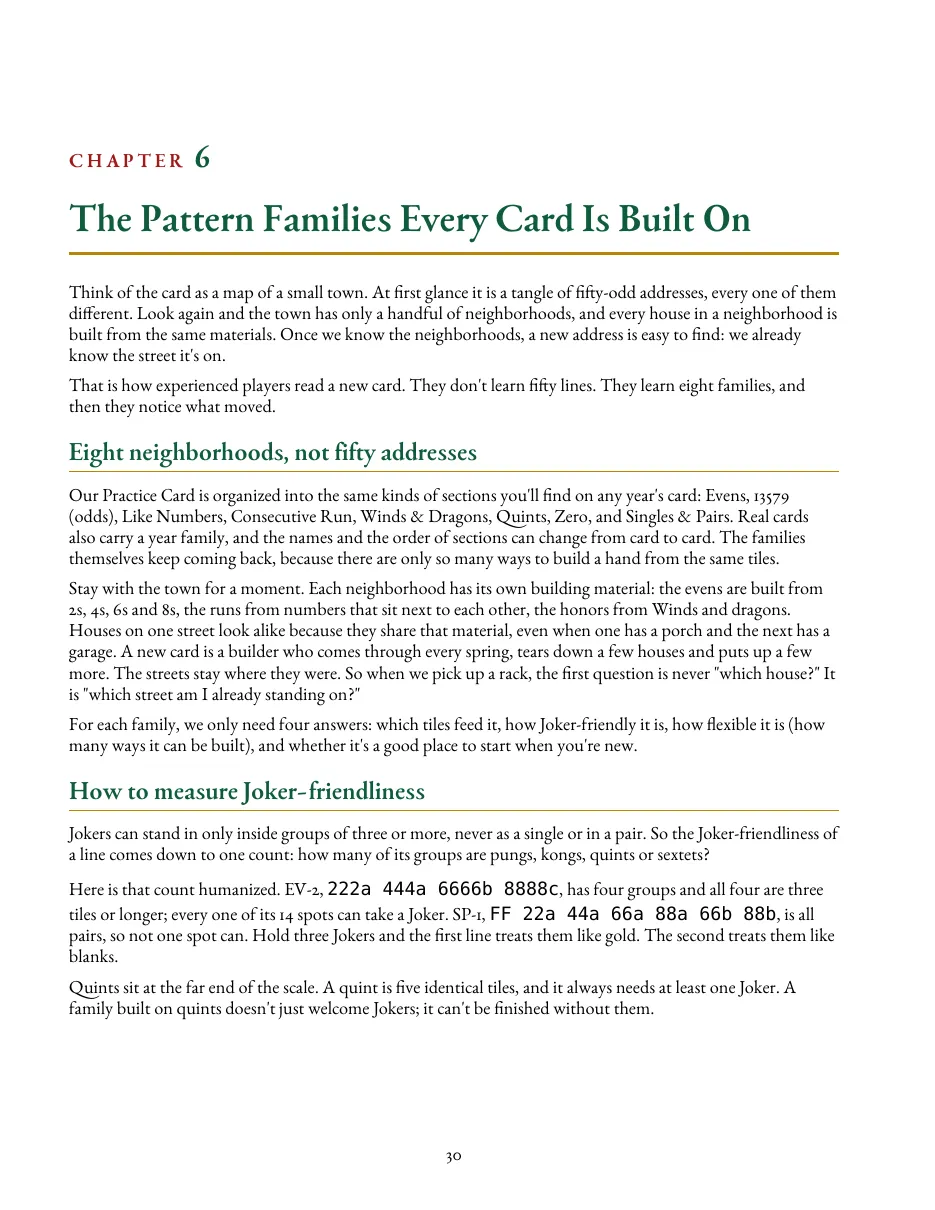
Thirteen tiles, about a minute, one decision.
Between the deal and the first pass you have roughly a minute to decide where your tiles want to go. Most of us spend it looking from the rack to the card and back. The Which-Hand Method turns it into three moves.
Find your section
Count which family your tiles lean toward. Seven or more in one family, and you have your neighborhood.
Keep two or three lines alive
Not one, which the wall can kill, and not ten, which means you haven’t chosen.
Pass what none of them can use
Your Charleston picks itself, and you stop giving away the tiles you needed.
That’s Chapter 7. Then seven fully worked hands show it at a real table, from the Charleston to the last tile, and 105 practice racks in three levels turn it into a habit. Every rack has its answer and the reasoning behind it.
Stop staring at your rack. Start playing with confidence.
Before
- You hunt through the card line by line while the table waits
- You pick one hand and the wall kills it by the third pass
- You throw the tile someone needed, and only find out after
- Every April the new card sends you back to the start
- When the table argues, whoever talks loudest wins
After
- You sort your rack by family and know your section in a minute
- You keep two or three lines alive and pivot when one dies
- You count what’s been thrown and keep the dangerous tile
- You read the new card in a few evenings by looking for what moved
- You open the book to the ruling, with its label, and play on
When the table argues, you’ll have the page.
Part Three is a rule book written for real tables: Jokers, calling and exposures, dead hands, paying up, Charleston errors, and games with two or three players.
Every ruling carries a label, so you know what’s official and what’s house custom:
- NMJL rule
- NMJL advice
- Common table rule
- Variant
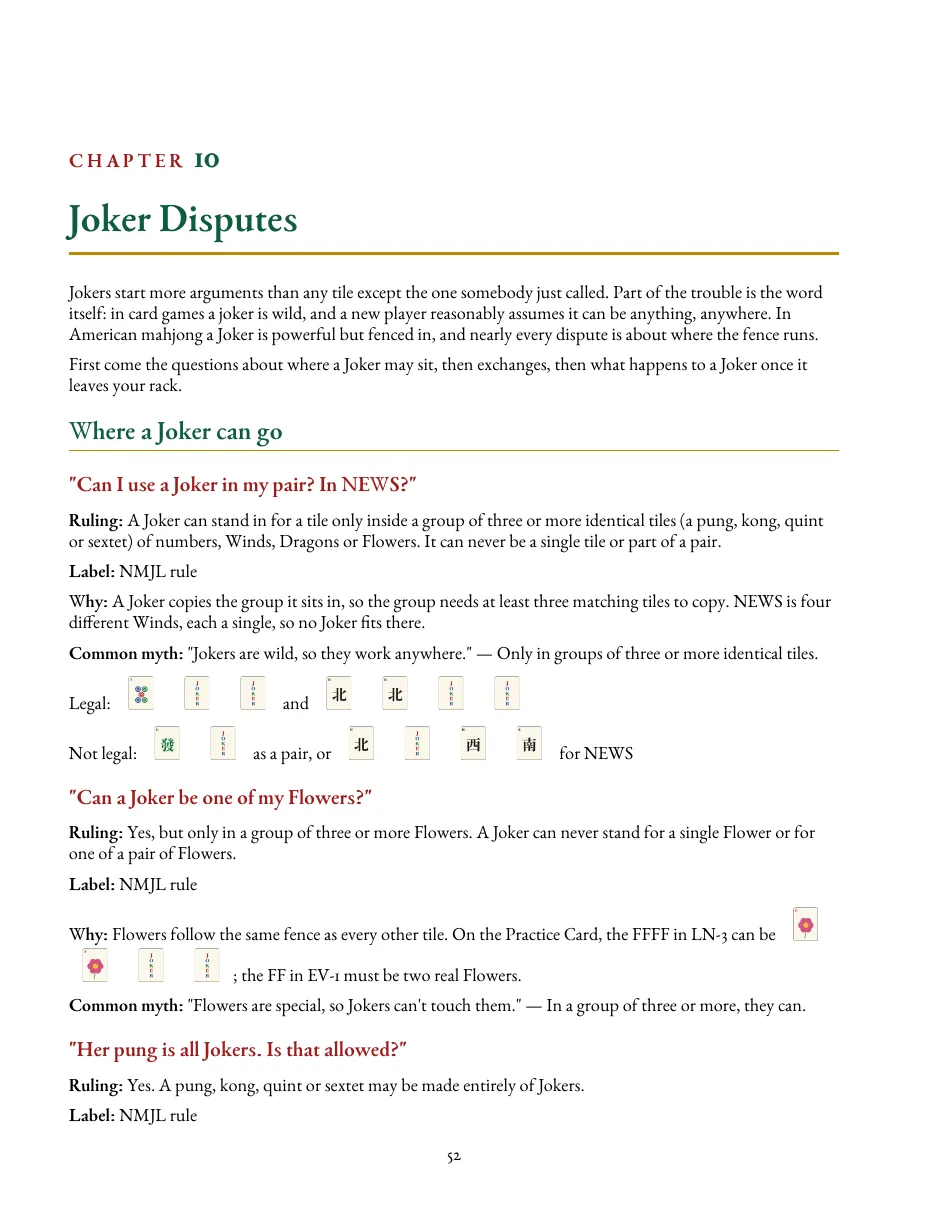
A Joker can stand in for a tile only inside a group of three or more identical tiles. It can never be a single tile or part of a pair. NEWS is four different Winds, each a single, so no Joker fits there.
From Chapter 10, Joker Disputes · Label: NMJL rule, in the book’s own wordsAt the back, an Index of Disputes lists every argument by the question people actually ask, so you can find the answer before the tiles go back in the wall.
Look inside
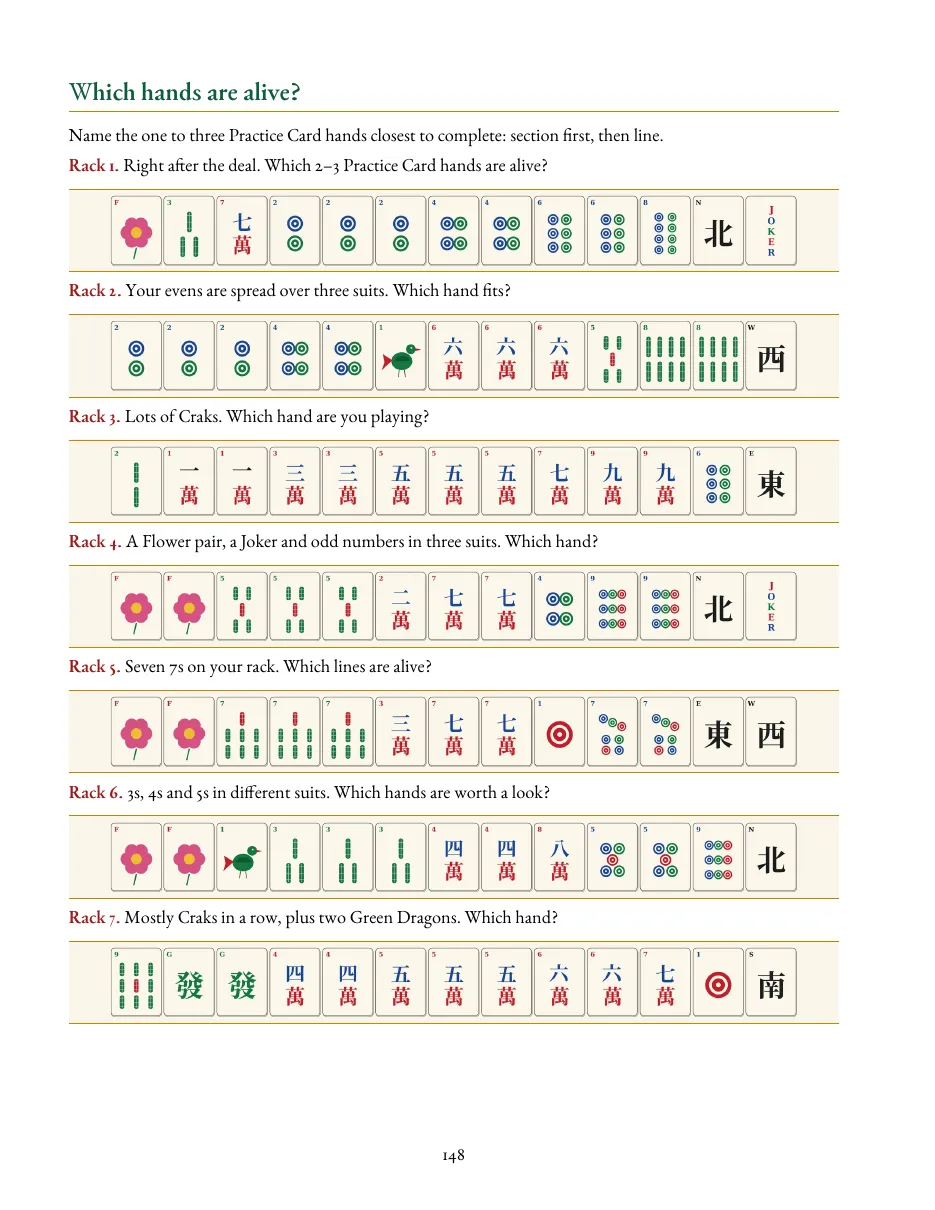
Every hand is shown with real tiles, in color, the way it sits on your rack.
What’s inside
29 chapters in five parts, 7 worked hands, 105 practice racks with answers. Open any part to see its chapters.
Part OneStart Right3 chapters
Your set, the setup, the deal, the Charleston and a full turn, step by step. Written for someone who has never sat at a table.
- Start Here: Your Set, Your Tiles, and Where to Skip
- Setup, the Deal and the Charleston, Step by Step
- Your Turn: Pick, Call, Expose, Discard, Declare
Part TwoRead Any Card4 chapters
How the card is put together, the fine print nobody explains, the eight families, and the 60-second Which-Hand Method.
- Card Anatomy: Colors Are Not Suits
- The Fine Print: “Any,” “These Numbers Only,” Like Numbers, Dragons and Year Hands
- The Pattern Families Every Card Is Built On
- Scan the Card for Your Rack: The 60-Second Which-Hand Method
Part ThreeThe Table Rule Book8 chapters
Every common argument, with a ruling labeled NMJL rule, NMJL advice, common table rule or variant, so you know what is official and what is house custom.
- NMJL Rule or Table Rule? How to Use This Rule Book
- Card Legality: “Is That Really Mah Jongg?”
- Joker Disputes
- Calling and Exposure Disputes
- Paying Up: Scoring and Payment Disputes
- Dead Hands: Every Way a Hand Goes Dead, and What Happens Next
- Charleston Errors, Misnamed Discards and Table Etiquette
- Two and Three Players: NMJL Rules, Siamese and Other Variants
Part FourStrategy8 chapters
Choosing a hand, the Charleston, playing without Jokers, the midgame, switching hands, defense and playing faster without panic.
- Choosing Your Hand: Sections, Not Hands
- Charleston Strategy: What to Pass, When to Stop, Blind Passes and the Courtesy Pass
- Playing Without Jokers
- Midgame Choices: Call or Wait, Expose or Stay Concealed, Work the Joker Exchange
- Switching Hands: When and How to Pivot
- Defense and the Endgame
- Play Faster Without Panic
- Ready for a Real Table
Part FiveWorked Hands & Practice6 chapters
Seven hands played from the Charleston to the last tile, then 105 practice racks in three levels, with answers.
- Worked Hands 1–3: Building a Line From the Charleston Up
- Worked Hands 4–5: The Pivot and the No-Joker Rack
- Worked Hands 6–7: When Your Hand Dies, Play to the Last Tile
- Practice Racks, Level 1: How to Practice Alone, and Your First 40 Racks
- Practice Racks, Level 2: Choosing and Passing (35 Racks)
- Practice Racks, Level 3: Pivots and Safe Discards (30 Racks)
And at the back, for the table
- Quick-reference rules
- Table argument cheat sheet
- An original Practice Card for drills
- Charleston tracker
- Golden rules, all in one place
- Index of disputes, by the question people ask
- Host your first mahj night
Who it’s for
It’s for you if
- you’re learning, or you’ve played a few times and still feel slow
- the new card takes you weeks every April
- you want one book for the rules, the card, strategy and practice
- your group argues about Jokers and dead hands
It’s not for you if
- you play Chinese, Japanese or Hong Kong mahjong: this is the American game
- you’re looking for this year’s card: get it from the National Mah Jongg League
- you want a pocket booklet: this is 200 pages, 8.5 × 11, in full color
Choose your edition
Same book either way. The paperback comes with the digital edition, so you can start tonight.
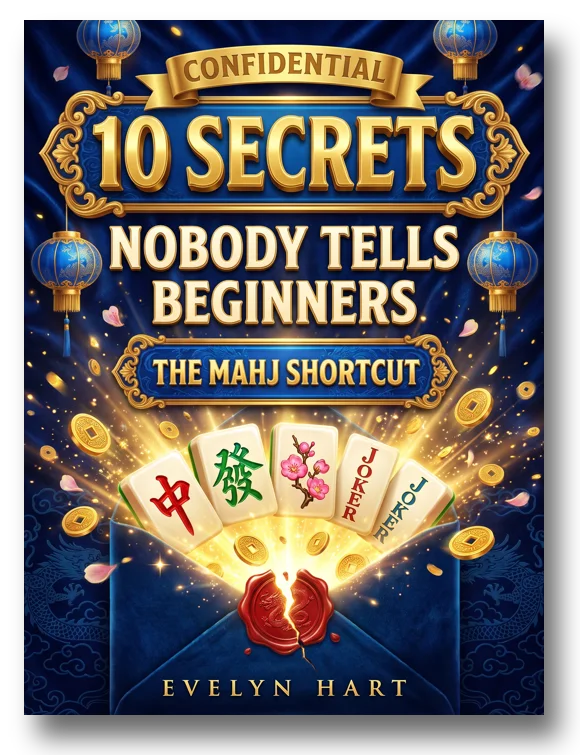
Free with every order on this site: The Mahj Shortcut
Ten things nobody tells beginners, from the tiles you should never pass to the moment to stop chasing a hand. It sells separately for $12, and it’s only included when you buy here, not on Amazon.
Digital edition
One-time payment
- PDF and EPUB, full color, all 200 pages
- Download link by email right after checkout
- Reads well on an iPad or any tablet
- All 29 chapters, 7 worked hands, 105 practice racks
Paperback + digital
Plus shipping, from $9.99
- 8.5 × 11 paperback, printed in full color
- Printed on demand, at your door in about 2–3 weeks
- The digital edition too, sent by email right away
- Lies open on the table next to your rack
Read it for 30 days
Play a few games with it. If it doesn’t make the card easier to read, write to us within 30 days and we’ll refund every cent, and you keep the Shortcut.
Secure checkout by Stripe · Card, Apple Pay and Google Pay
Questions
Do I still need this year's official card?
Yes. To play with your group you need the current card from the National Mah Jongg League. This book teaches you how to read any year's card; it doesn't reproduce it. For practice it includes its own invented Practice Card, built on the same families.
I've never played. Is this too much?
Part One assumes you have never touched a set: what's in the box, how to build the wall, the Charleston pass by pass, and what to do on your turn. You can stop there, play a few games, and come back for the card and the strategy.
I already play. Will I learn anything?
If you already play, Parts Three to Five are where the book earns its place: the rule book for table arguments, the strategy chapters, and 105 practice racks with answers. If the new card still takes you a while every April, start with Chapters 6 and 7.
Which edition should I get?
The paperback is 8.5 × 11 and in full color, made to lie open at the table. The digital edition is the same book as PDF and EPUB, and it's what you get right away with either option.
How do I get the digital edition?
Right after checkout we email you a download link for the PDF and the EPUB. If it isn't in your inbox within ten minutes, check spam or write to us and we'll resend it.
Where do you ship the paperback?
United States, Canada, United Kingdom, Australia, Germany, France, Italy, Spain and the Netherlands. Each copy is printed when you order it, so allow about 2–3 weeks with standard shipping, or about 1–2 weeks with priority.
What if it isn't for me?
Write to us within 30 days and we'll refund you in full.
Is this an official NMJL book?
No. It's an independent guide by Evelyn Hart, not affiliated with or endorsed by the National Mah Jongg League, Inc.
Next April, open the new card and see the families.
Learn the game once, the way good players think, and every card after this one is just a few things that moved.
Get the bookNot ready yet? Read the first 6 chapters free, including the eight families.